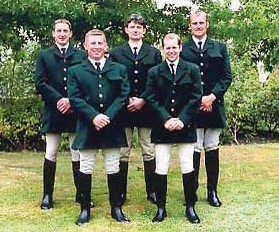
The New Forest remains one of the largest tracts of unenclosed pasture land, heathland and forest in Southern England. It was proclaimed a royal forest by William the Conqueror in about 1079 and featured in the Domesday Book. It covers a vast area, some 566 km2 (219 sq mi) and has remained largely unchanged since that time.



Who are the Verderers?
The Verderers protect and regulate the New Forest’s unique agricultural commoning practices, ranging from the grazing of stock animals to pannage (pigs being released to eat the acorns late in the year).
They are paramount in retaining and maintaining the aesthetic character and natural beauty of the landscape and safeguarding wildlife, flora and fauna and the cultural heritage. Without their governance the New Forest would not be the peaceful and traditional place it is today.
For more information about the verderers contact https://www.verderers.org.uk/

Who are the Commoners?
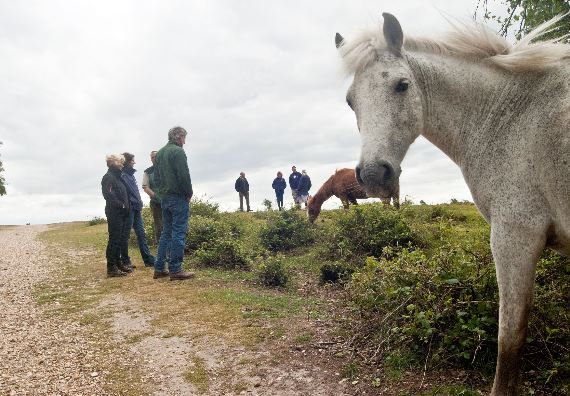
When William 1st decreed the New Forest his hunting ground in 1079, he granted the common people, or commoners certain rights on condition that they did not fence their land and impede his pursuit of deer. Those rights remain to the present day and the most visible of these is the right to graze stock on the open heaths and lawns.
For more information about commoning and commoners rights contact
https://www.new-forest-national-park.com/commoners-commoning
Who are the Agisters?
Appointed by the Verderers, the agisters are a skilled group of men with a good working knowledge of the forest and its livestock. The forest is divided into five areas, each with its own agister who is responsible for the care and welfare of the ponies.
For more information on agisters contact https://www.newforestpony.com/the-new-forest/the-agisters/